Automated Invoice Reading and Data Matching for Collections Teams: A Practical Guide


Why invoice reading and data matching matter in modern collections
Collections performance depends on data quality before outreach starts. If invoice records are incomplete, duplicated, or mapped to the wrong account, teams waste time on preventable manual work and recovery slows down.
Automated invoice reading and matching creates a reliable intake layer so operations teams can move from raw documents to action-ready portfolios in minutes, not days.
Where manual invoice intake creates avoidable delays
- PDF invoices are retyped by hand into collection systems
- customer references are inconsistent across files and source platforms
- line-level amounts do not reconcile with portfolio totals
- duplicate invoices are placed into active workflows
- exceptions are found after outreach has already started
These issues increase rework, create customer confusion, and reduce confidence in reporting.
A practical workflow for automated invoice reading and matching
- Document capture: ingest PDF, image, and export files from creditor systems
- Field extraction: read invoice number, customer identifiers, balance, due date, and issue date
- Validation: apply format checks and required field rules before import
- Matching: connect extracted data to existing debtor, account, and creditor records
- Exception routing: send low-confidence matches to a review queue with clear reason codes
- Workflow handoff: push approved records into active recovery programs automatically
Teams can pair this with collections workflows to start outreach sooner with cleaner account data.
Matching logic that improves portfolio confidence
- exact matching on invoice number plus creditor ID
- fuzzy matching on debtor name with address and date checks
- tolerance rules for tax and rounding differences
- duplicate detection across invoice number, amount, and timestamp
- confidence thresholds that determine auto-approve versus manual review
This approach balances speed and control while preserving auditability.
Metrics operations teams should track weekly
- invoice-to-workflow processing time
- auto-match rate versus manual review rate
- duplicate detection rate by source channel
- import rejection reasons and resolution time
- recovery performance by ingestion source
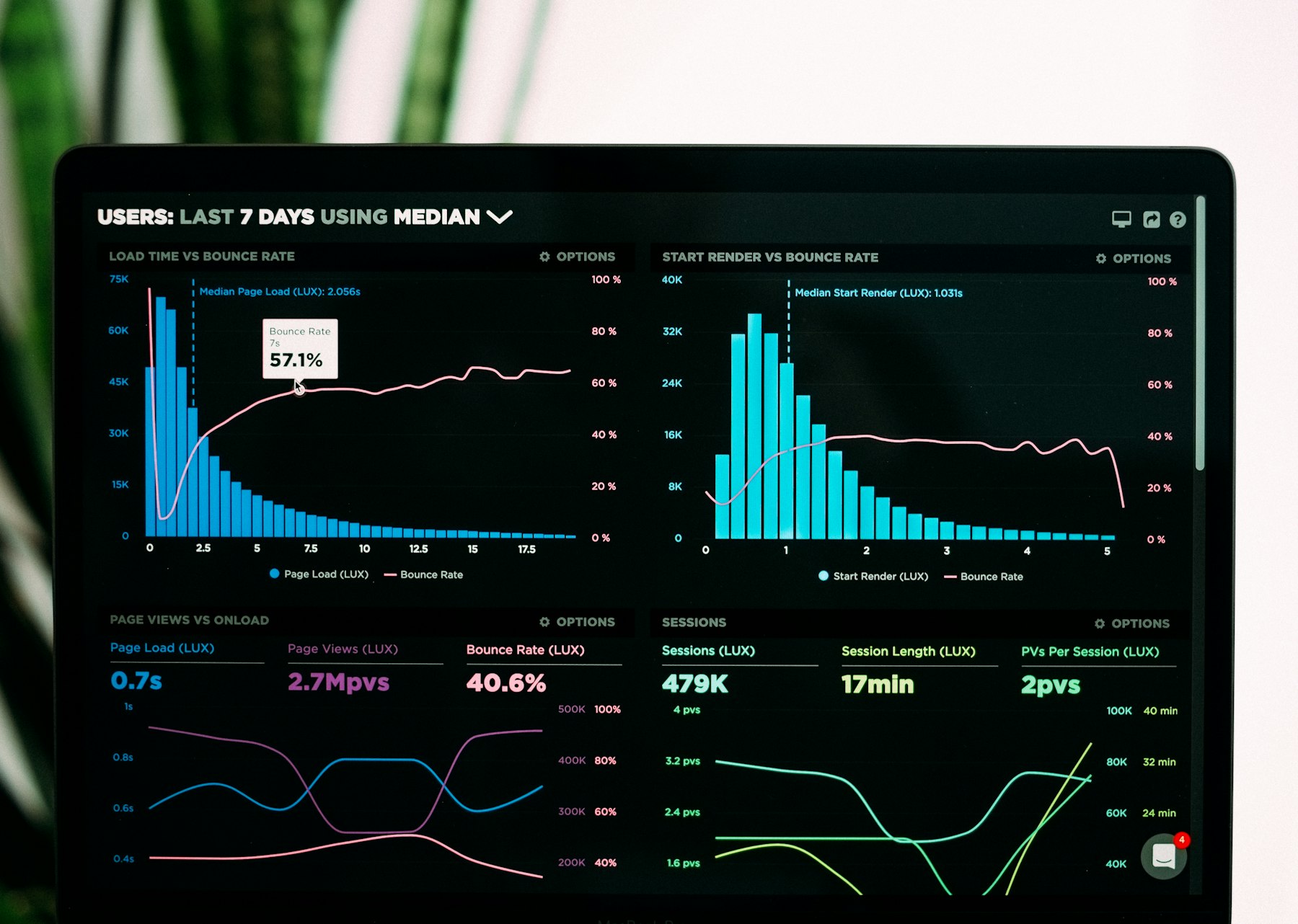
These metrics show whether automation is improving throughput and data quality at the same time.
How iCollect supports automated invoice reading and matching
iCollect helps teams turn mixed invoice inputs into structured records that are ready for recovery workflows. Teams can:
- ingest invoices from multiple client systems into one operational pipeline
- apply matching rules and validation gates before accounts enter outreach queues
- review exceptions quickly with clear context and ownership
- maintain transparent audit trails across every import, edit, and approval step
The result is faster activation of accounts, fewer manual corrections, and better control over portfolio quality.
FAQ for operations and technology leaders
Can automated invoice reading handle inconsistent invoice layouts? Yes. Extraction templates and rule-based fallback logic can handle variation while routing uncertain records to review.
What is a strong first target for improvement? Start with reducing invoice-to-workflow cycle time and improving first-pass auto-match rate.
If you want to streamline invoice intake and matching, talk with iCollect about implementation options for your operation.